

Luxury vs. Budget Interior Design: What's the Real Difference?
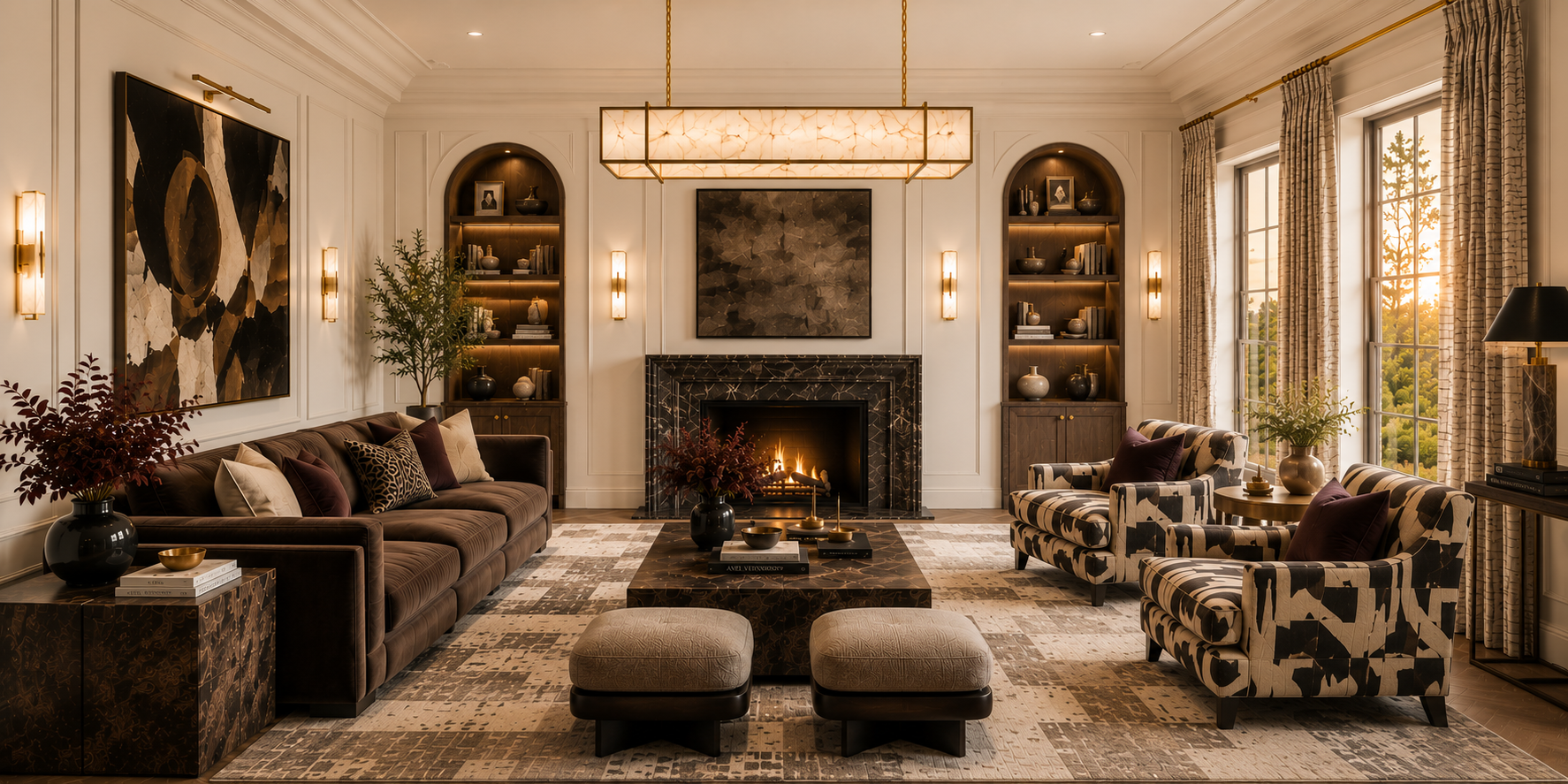
One of the biggest differences in luxury vs budget interior design is the level of customization. Thoughtfully selected materials, tailored furnishings, and a cohesive vision create a home that feels uniquely personal.
The difference between luxury and budget design is about the overall design experience. Luxury interior design emphasizes customization, premium materials, expert craftsmanship, cohesive whole-home planning, and a full-service process that manages every detail from concept to installation.
If you've ever browsed Pinterest, Instagram, or a home design portfolio, you've probably noticed that beautiful spaces come in all shapes, styles, and price points.
A well-designed room does not necessarily require an unlimited budget. At the same time, there are important differences between a budget-conscious design project and a luxury interior design experience.
Understanding those differences can help you determine which approach aligns with your goals, lifestyle, and expectations for your home.
The conversation is not about whether one approach is right and the other is wrong. It is about understanding what each level of investment delivers.
Luxury or Budget, Every Project Starts With the Same Goal
Whether a client is furnishing a single room or designing an entire home, the goal is often the same.
They want a space that feels:
Comfortable.
Functional.
Beautiful.
Personal.
Aligned with their lifestyle.
The difference lies in the level of customization, service, craftsmanship, and project scope that can be achieved.
Customization Creates a Different Outcome
One of the defining characteristics of luxury interior design is customization.
Luxury projects are built around the client rather than around what happens to be available in a showroom or online catalog.
This often includes:
Custom upholstery.
Bespoke millwork.
Tailored furniture dimensions.
Specialty finishes.
One-of-a-kind lighting.
Curated art and accessories.
These elements allow a home to feel unique and highly personal.
Budget-focused projects typically rely more heavily on readily available furnishings and materials, as well as design templates and previously executed projects. There are many attractive options available today, but they are often designed to work for a broad audience rather than a specific homeowner. They are tested and proven, but not designed precisely for the homeowner.
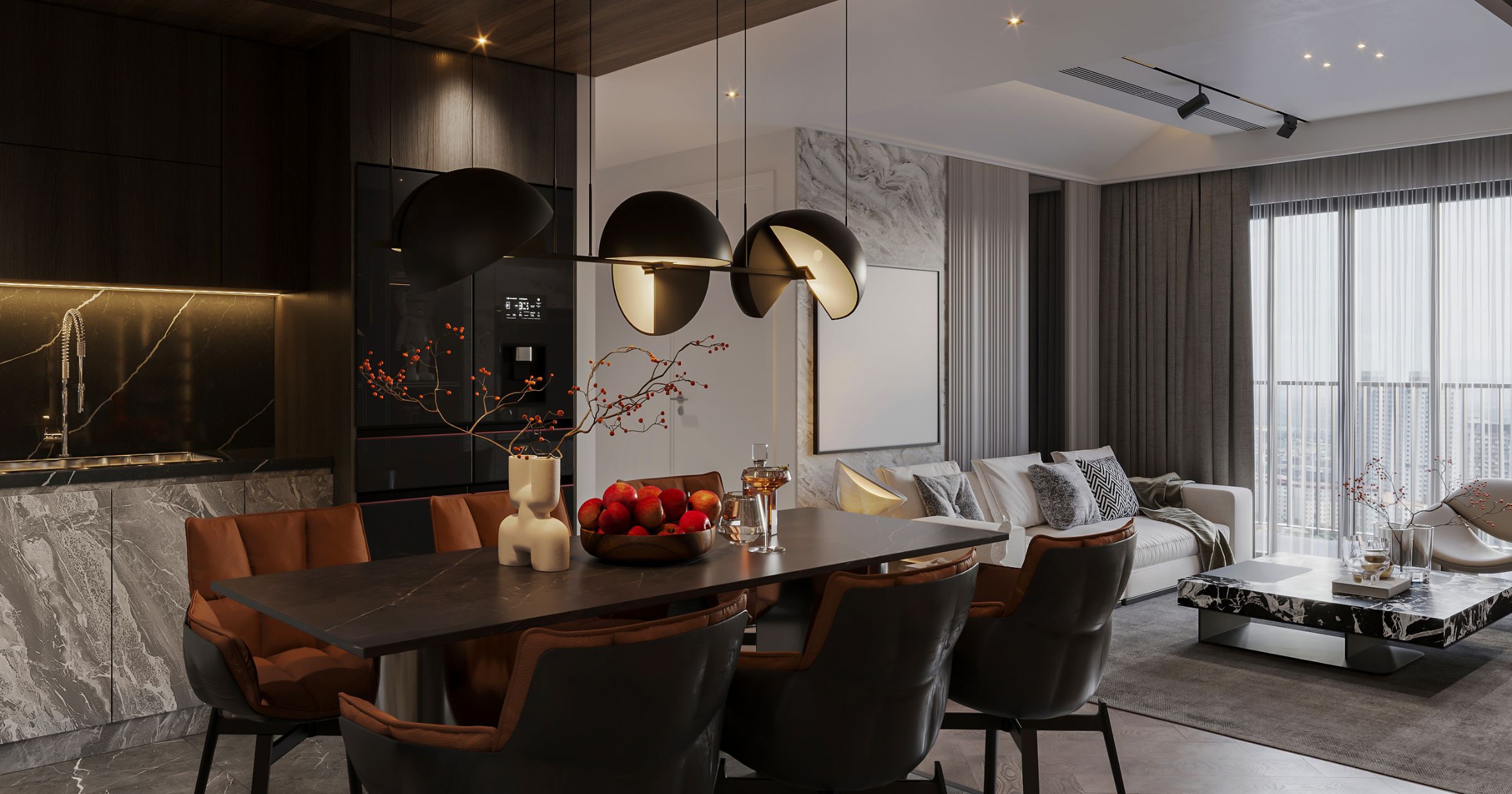
Luxury interior design goes beyond aesthetics. Every detail, from the lighting and artwork to the furniture layout and finishes, is carefully considered to create a seamless experience throughout the home.
Materials and Craftsmanship Matte
Luxury design places significant emphasis on quality.
Clients investing in a luxury home often prioritize:
Premium natural materials.
Handcrafted furnishings.
Custom fabrication.
High-performance finishes.
Attention to detail.
The differences become apparent not only in how a space looks, but also in how it performs over time.
Quality furnishings are often constructed to withstand years of daily use. Materials develop character. Finishes age gracefully. Pieces can become lasting parts of a home rather than temporary solutions that require replacement after a few years.
For many homeowners, longevity becomes an important part of the value equation.
The Design Process Is Different
One of the biggest differences between luxury and budget interior design is the client experience itself.
Luxury design firms often provide a comprehensive, full-service process that includes:
Space planning.
Design development.
Procurement.
Vendor coordination.
Construction collaboration.
Installation management.
Final styling.
The goal is to create a seamless experience where every detail is thoughtfully managed.
This level of service allows homeowners to focus on the excitement of the transformation rather than managing dozens of moving pieces themselves.
Cohesion Throughout the Home
A luxury interior design project is rarely approached one room at a time.
Instead, designers consider how every space connects to the next.
They evaluate:
Architectural flow.
Material continuity.
Scale and proportion.
Lighting throughout the home.
Functional relationships between spaces.
The result is a home that feels intentional and complete.
Even guests who cannot identify exactly why a space feels elevated often notice the difference.
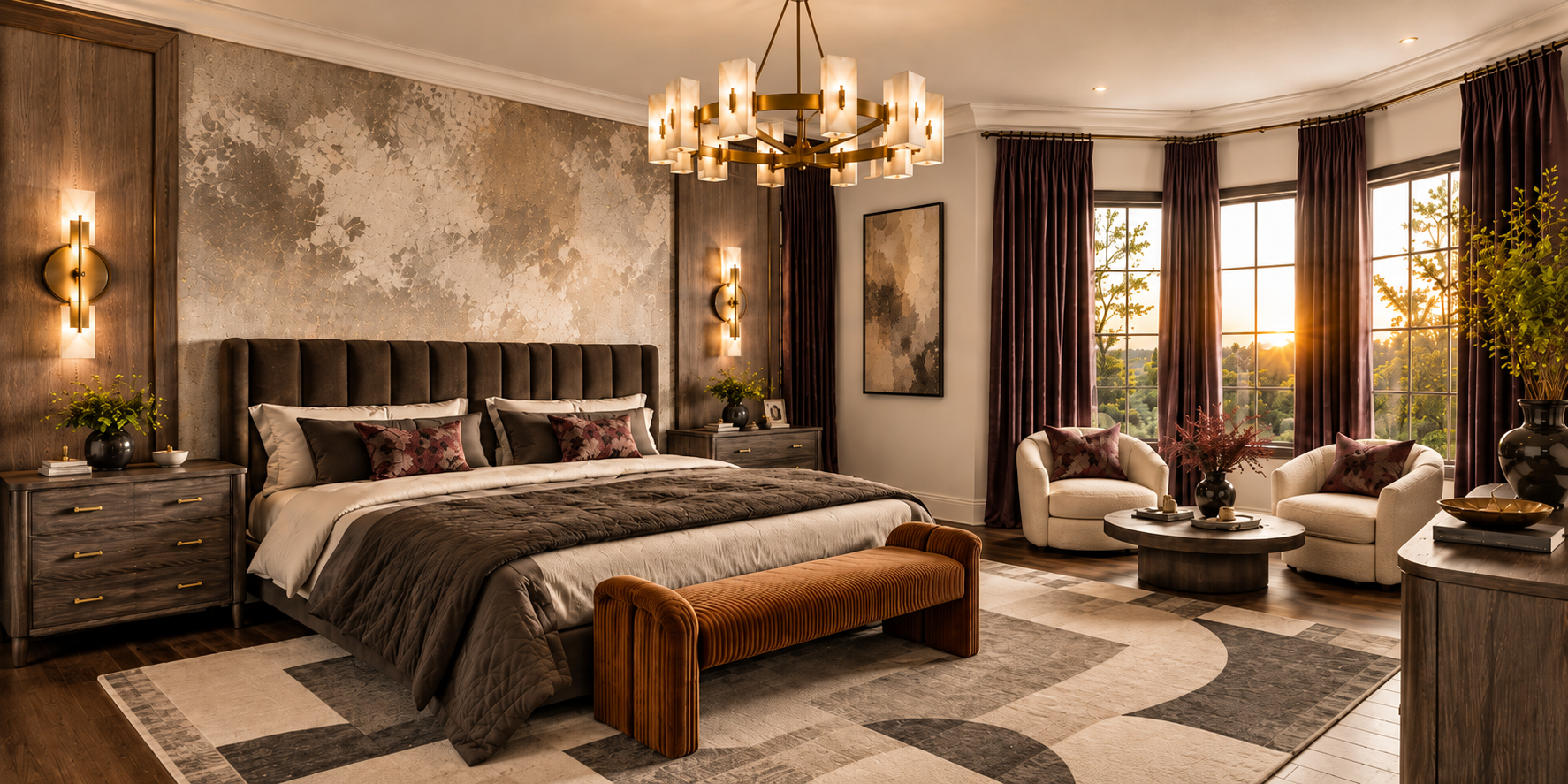
When comparing luxury vs budget interior design, craftsmanship and longevity often become defining factors. High-quality materials and expert execution help create interiors designed to look beautiful and perform well for years to come.
Luxury Design Is About More Than Furnishings
Many homeowners assume that luxury design simply means purchasing more expensive furniture.
In reality, much of the value comes from expertise.
Luxury designers help clients avoid costly mistakes, solve complex design challenges, and make decisions that support both beauty and functionality.
That expertise influences:
Furniture selection.
Layout planning.
Traffic flow.
Lighting design.
Material selections.
Construction decisions.
Long-term usability.
These choices have a lasting impact on how a home looks and feels for years to come.
Which Approach Is Right for You?
The answer depends on your goals.
A budget-conscious design approach may be a great fit if you are:
Updating a single room.
Working within a tighter investment range.
Looking for quick improvements.
Prioritizing immediate functionality.
A luxury interior design experience may be the right fit if you are:
Designing multiple rooms or an entire home.
Building or renovating.
Seeking customized solutions.
Prioritizing craftsmanship and longevity.
Looking for a fully managed experience.
Wanting a home that reflects your lifestyle at every level.
The Real Difference Comes Down to Experience
At its core, the difference between luxury and budget interior design is not simply the amount spent.
It is the level of personalization, craftsmanship, service, and attention given to every detail.
Luxury interior design creates spaces that are tailored to the people who live there. It considers how a home functions today and how it will continue to serve its owners for years to come.
The result is a home that feels intentional, refined, and uniquely yours.
Ready to Create a Home That Reflects Your Lifestyle?
At HLM Designs, we create sophisticated interiors that blend beauty, functionality, and thoughtful customization.
Our full-service approach guides clients from concept to completion, creating homes that feel effortless, personal, and designed for the way they live. Let’s start the conversation.