

The Psychology of Luxury Interiors: Why Certain Spaces Feel Expensive
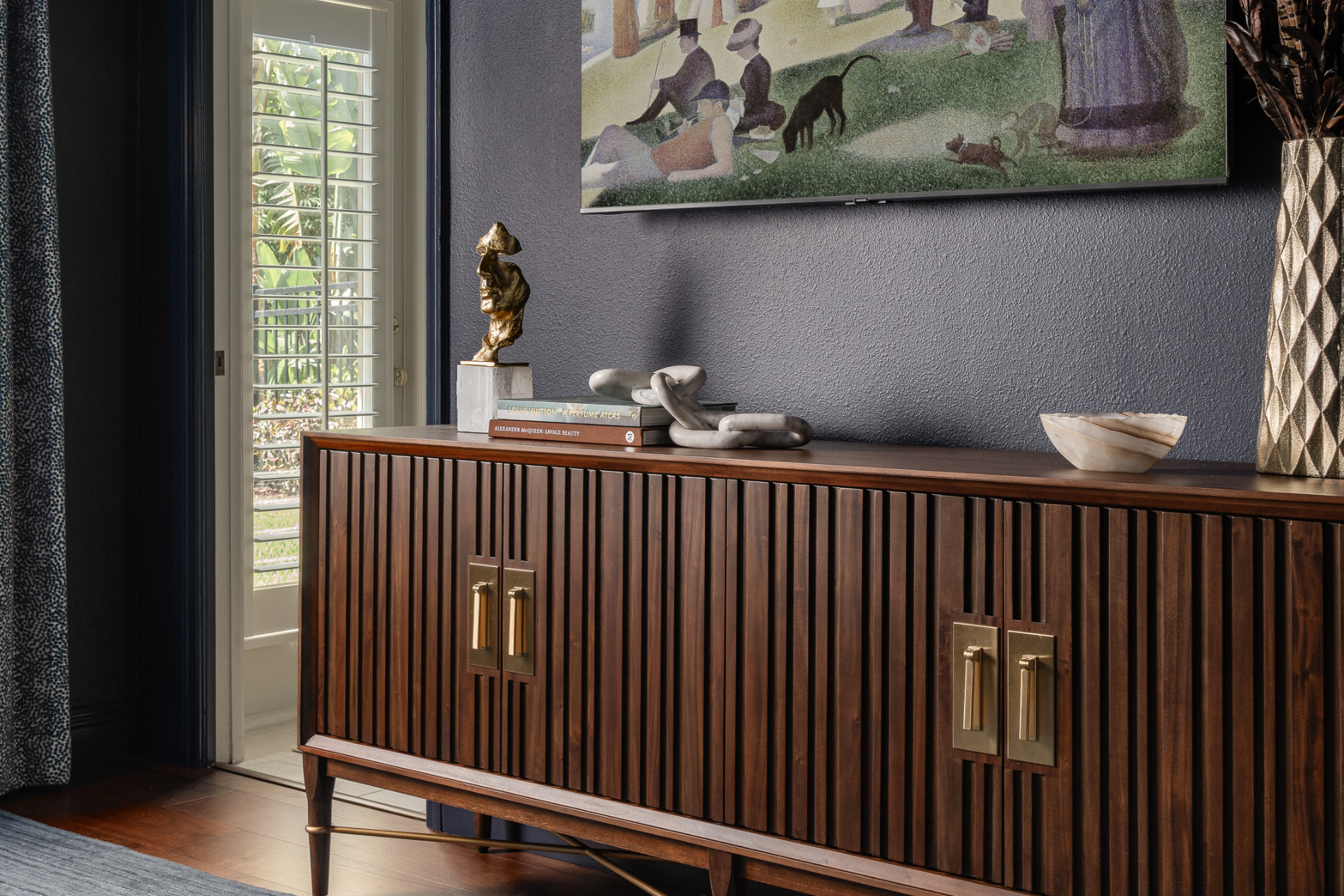
Layering and intentional material choices make a space feel expensive and luxurious.
The Psychology of Luxury Interiors: Why Certain Spaces Feel Expensive
Luxury interior design is often mistaken for a collection of expensive furniture or rare materials. In reality, what makes a space feel luxurious is far more subtle. It’s about how a room makes people feel the moment they walk in; a quiet sense of calm, confidence, and curation.
At HLM Designs, luxury is never accidental. Every element, from lighting to material choices to the way furniture is arranged, works together to create an environment that feels cohesive, comfortable, and deeply personal.
Interior design is ultimately about psychology. When done well, it creates spaces that support lifestyle, encourage connection, and elevate everyday living.
The Emotional Language of Design
Every design decision communicates something emotionally.
Lighting can feel welcoming or clinical. Materials can feel warm and grounded or cold and distant. Even the shape of a room influences how comfortable people feel within it.
Researchers and designers consistently point to the impact of light, color, and texture on emotional response, showing that these elements significantly affect how people experience a space.
Harry uses this emotional language intentionally when he designs a space. The goal isn’t simply visual beauty—it’s creating an atmosphere where people feel relaxed, inspired, and at home.
Material Quality Signals Luxury
Humans instinctively respond to materials that feel authentic and lasting.
Natural stone, solid wood, marble, linen, and patinated metals communicate permanence and craftsmanship. These materials age gracefully, developing character over time rather than deteriorating quickly.
This matters psychologically. Spaces built with durable materials subconsciously signal stability and quality, creating a feeling of comfort and trust in the environment.
At HLM Designs, these tactile elements are carefully layered to create environments that feel rich, grounded, and enduring.
Cohesion Creates Visual Calm
One of the biggest differences between an ordinary interior and a luxurious one is cohesion.
High-end spaces rarely feel chaotic. Instead, they have a sense of visual harmony where colors, shapes, textures, and proportions relate to one another.
When the eye moves smoothly through a room, the brain interprets the space as calm and intentional. Designers achieve this by repeating materials, balancing proportions, and maintaining thoughtful spacing between elements.
The result is a space that feels curated rather than decorated.
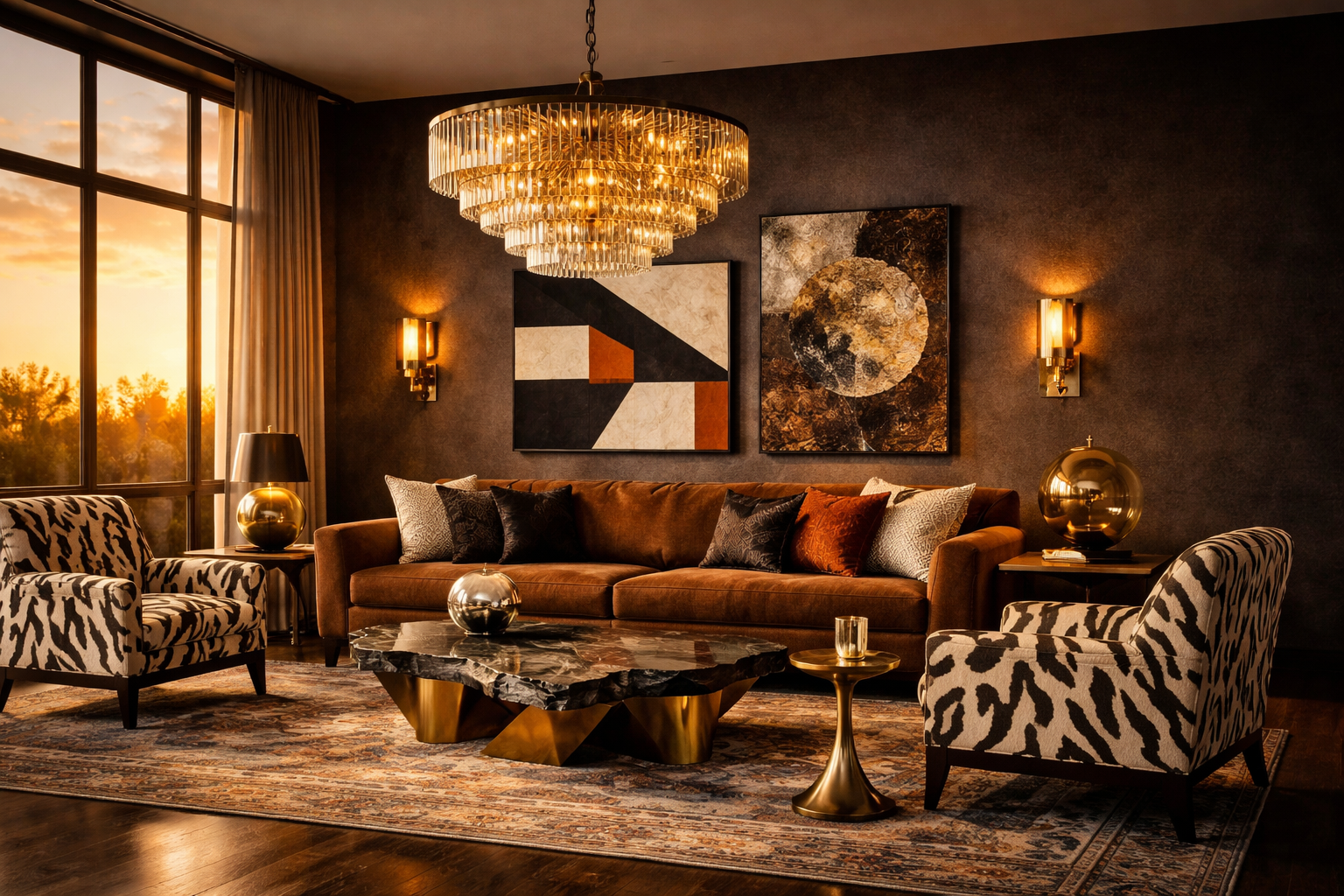
Lighting from multiple sources set a mood and defines luxury.
Lighting Defines Atmosphere
Lighting may be the most underestimated element in luxury interiors.
Many homes rely heavily on overhead lighting, which flattens a room and removes depth. Luxury interiors instead rely on layered lighting—combining ambient, task, and accent lighting at multiple heights to create warmth and dimension.
Floor lamps, sculptural fixtures, and discreet architectural lighting create an environment that changes throughout the day.
For HLM Designs, lighting is never just functional. It is part of the emotional experience of the space.
Luxury Is Ultimately Personal
The most important psychological element of luxury design is personalization.
A space that truly feels elevated reflects the people who live within it. Their routines, their habits, and the way they entertain all influence how the space should function.
Luxury design succeeds when a home supports its occupants effortlessly—when the environment quietly enhances daily life.
That philosophy sits at the center of every project HLM Designs creates.
FAQs About The Psychology of Luxury Interiors
Q: What makes an interior feel luxurious?
A: Luxury interiors feel expensive because of intentional design choices such as high-quality materials, layered lighting, cohesive color palettes, and thoughtful spatial planning that creates emotional comfort and visual harmony.
Q: Why do luxury homes often use natural materials?
A: Natural materials like stone, wood, marble, and linen communicate durability, craftsmanship, and authenticity. These qualities psychologically signal quality and permanence.
Q: How does lighting affect luxury interior design?
A: Layered lighting using ambient, task, and accent fixtures creates depth and atmosphere, helping spaces feel warm, dynamic, and visually sophisticated.